
High School Design Competitions
This year’s Design Competitions will be based on A Midsummer Night’s Dream by William Shakespeare. You can access the full script to the play online at this link here. Please Note: These examples are from last year’s competition.
The Intent to Submit Entry Form is not yet open. Check Back on September 1st to declare your intention to participate in a Design Competition.
Costume Design Competition
Design the Visual Narrative
Bring your creative vision to the stage! The Costume Design Competition offers students the opportunity to showcase their artistic design skills, receive valuable feedback from industry professionals, and compete for top honors at the annual conference.
The Play: A Midsummer Night's Dream by William Shakespeare.
Prizes: Winners will be announced at the VTA Awards Ceremony.
Cost: $20 entry fee.
Eligibility: Open to registered conference students who complete the online design competition entry form.
Design Guidelines
The Characters: Design costumes for characters from the play.
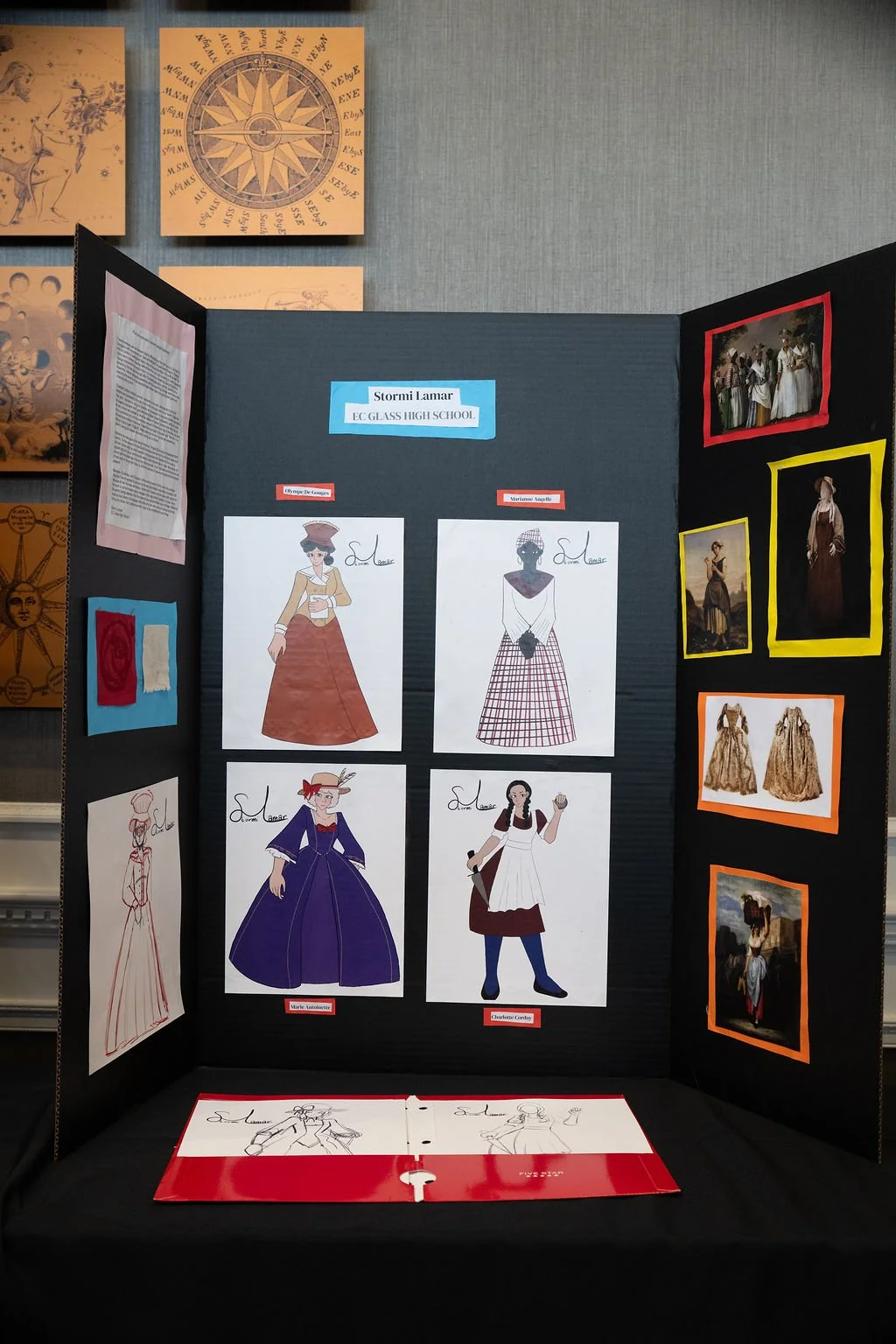
Design Renderings: Each character design must be on its own individual sheet and include the title of the show, character's name, act/scene, and the designer's signature. Renderings must be at least 8 inches high to clearly illustrate details.
Croquis: Tracing over an existing figure is permitted, provided the figure is 8 inches or larger.
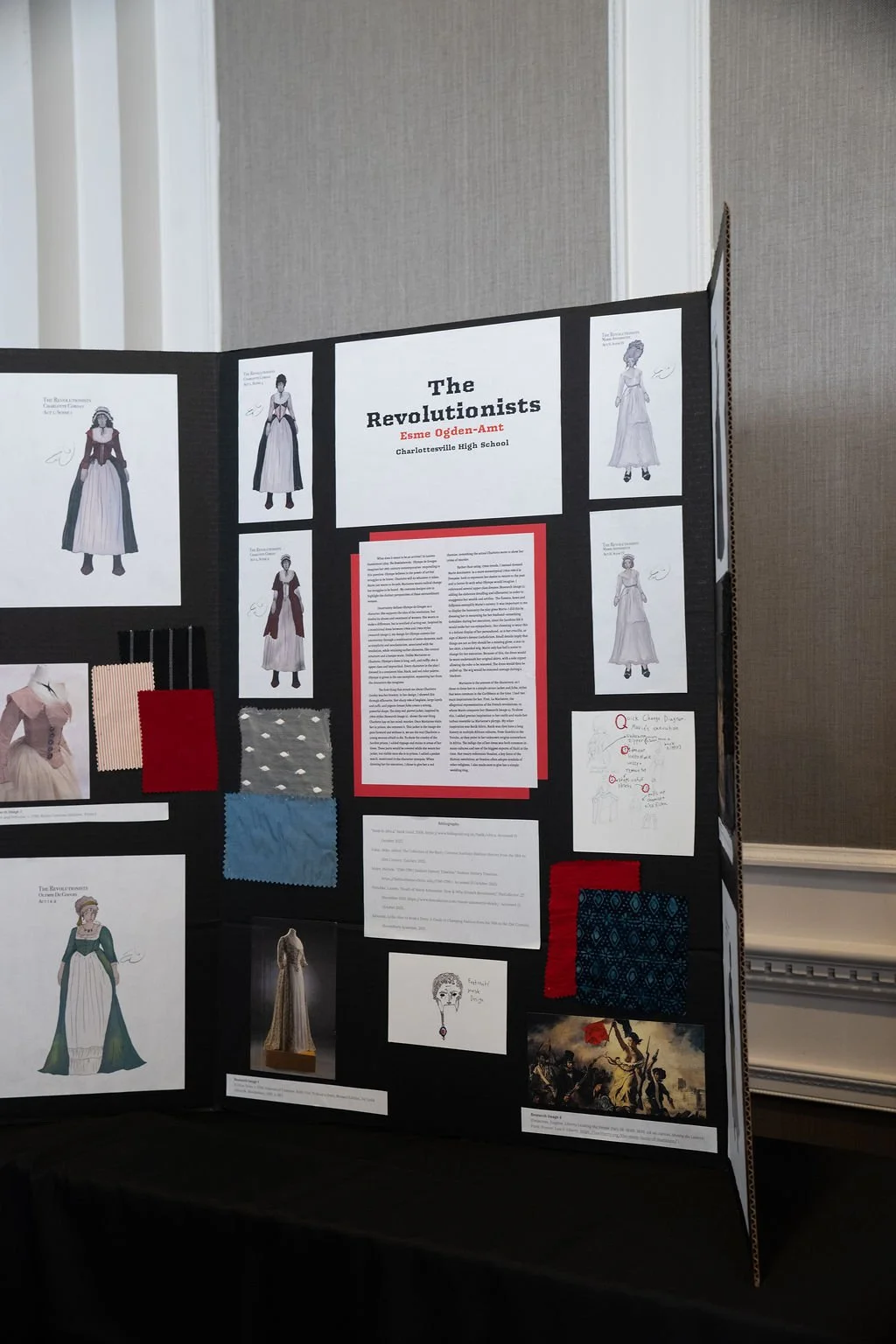
Research Images: Provide at least 4 color research images total (not per character)—2 establishing the time/place and 2 that inspired your overall designs. Each image must be labeled to coordinate with your designer's statement.
Designer's Statement: Submit a typed statement (maximum of one page) explaining what you attempted to accomplish and the reasons behind your choices. You must reference each research image by its label.
Originality: Submissions must be completely original designs that have not been previously executed or copied from another artist.
Display & Submission Specifics
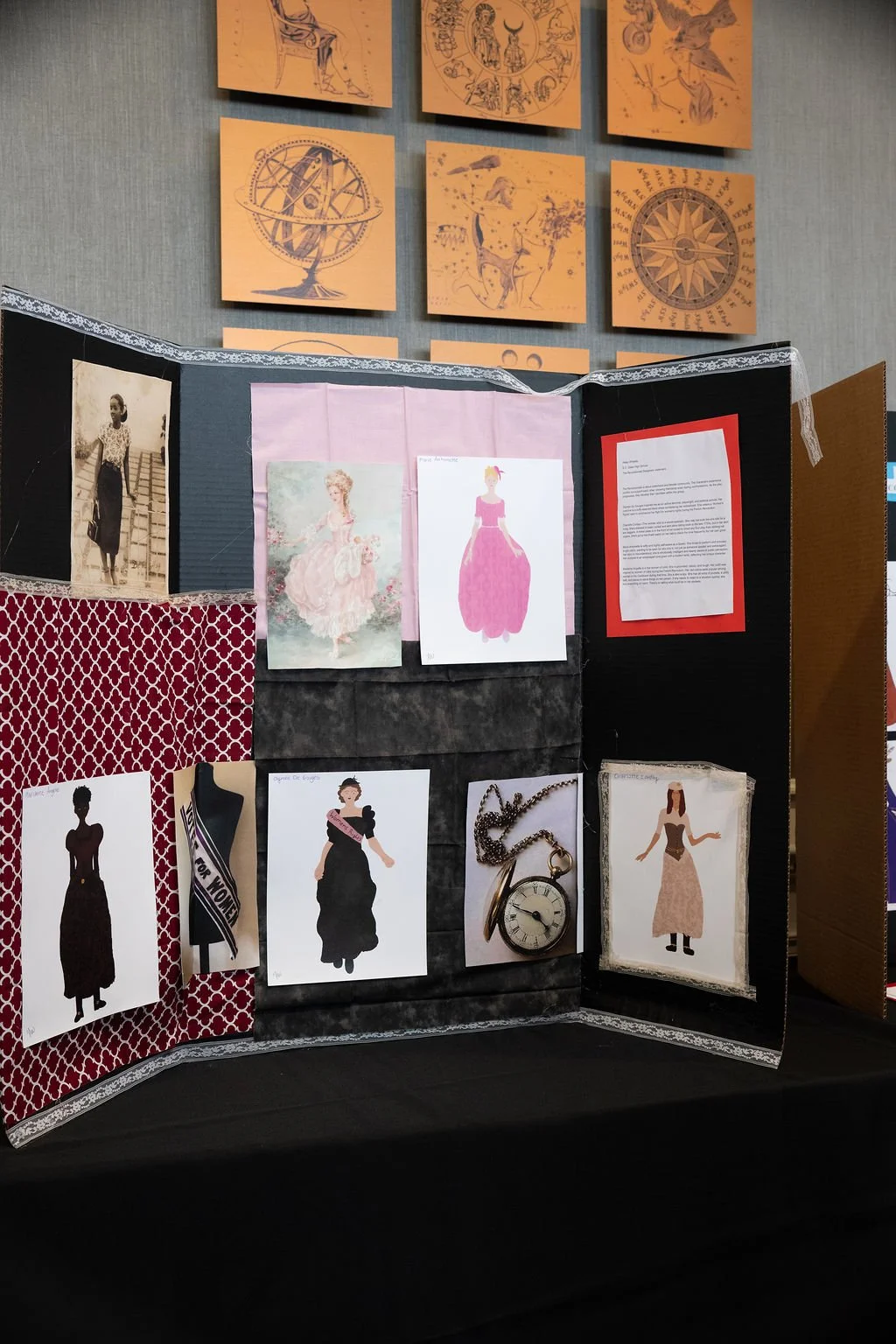
Presentation Board: Renderings must be displayed on a freestanding, standard 36-inch by 48-inch trifold presentation board. The board must prominently display both your name and your school.
Additional Elements: You are encouraged to attach fabric swatches, notes, or preliminary sketches directly to your presentation board.
Binder or Folder: If space on your trifold board does not allow for your designer's statement and research images, they must be presented in a folder or binder labeled with your name.
Judging & Critiques: Professionals and academics will evaluate submissions based on design renderings, research, design concept, functionality, script support, originality, and overall craftsmanship. Students are encouraged to attend the live critique session at the conference.
How to Register
Directors or students can add any of the Design Competitions to their cart during regular conference registration.
Scenic Design Competition
Build the World of the Play
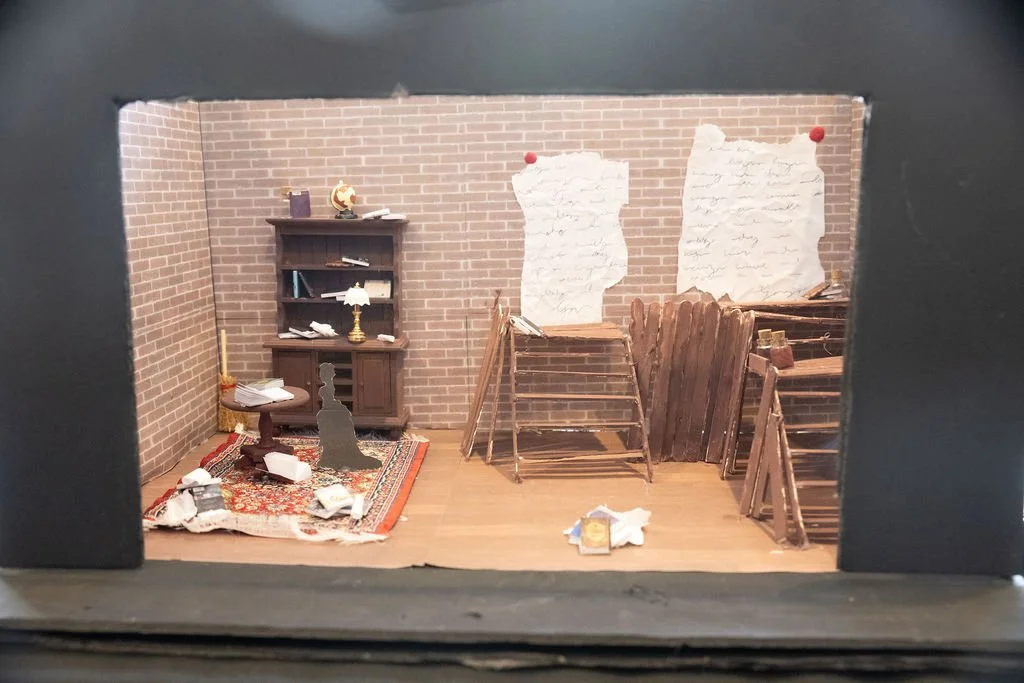
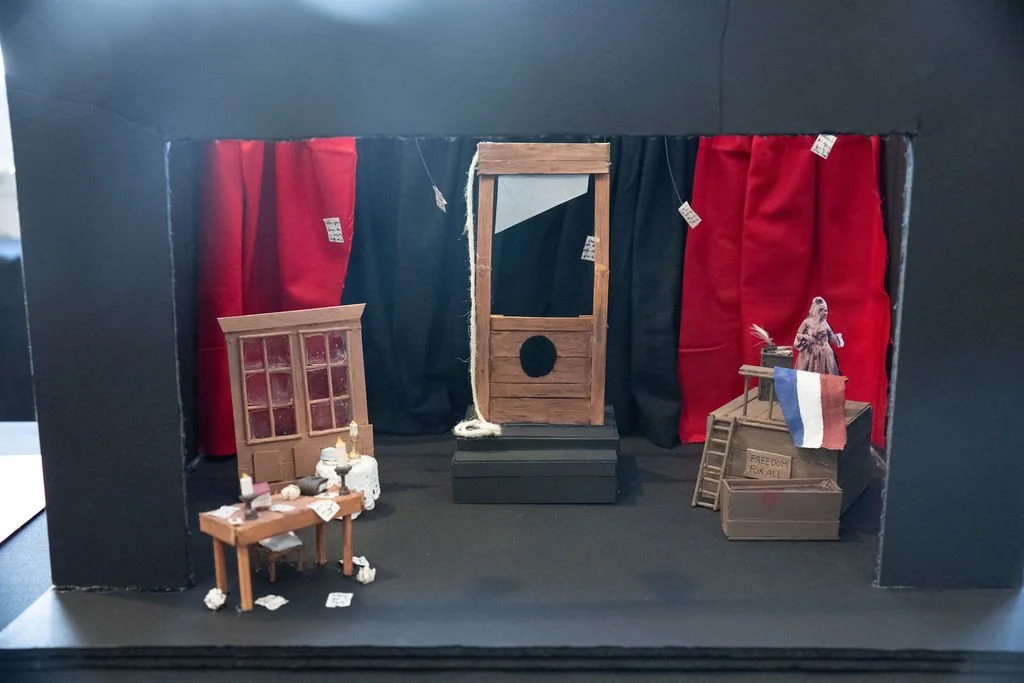
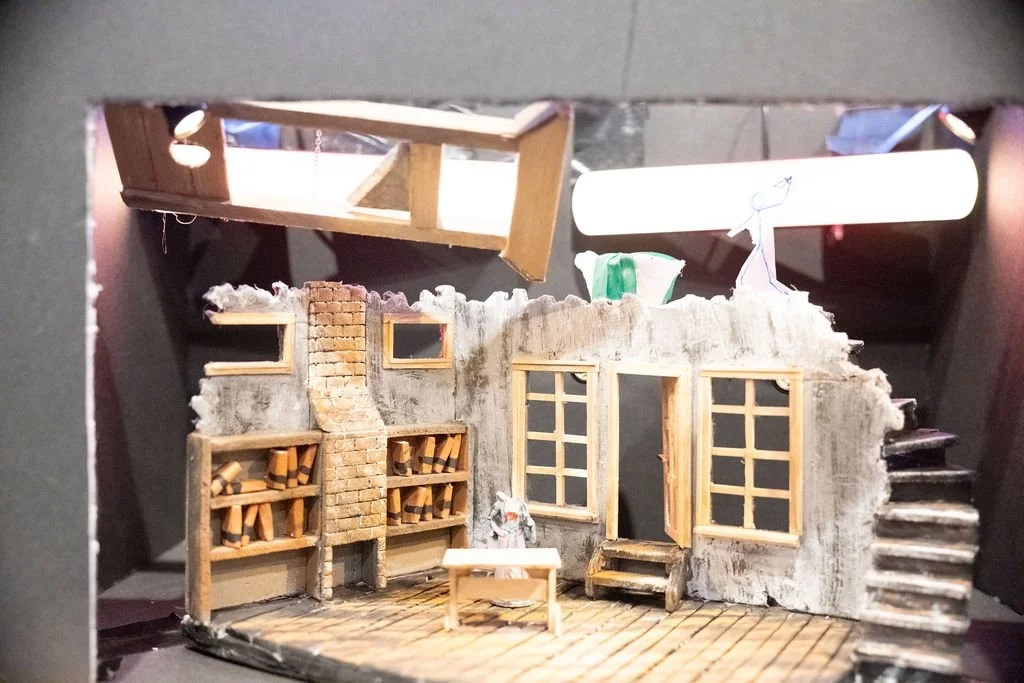
Step into the role of a scenic designer! This competition challenges students to construct a physical scale model that captures the environment, tone, and functional needs of a production, receiving expert critique from theater professionals.
The Play: A Midsummer Night's Dream by William Shakespeare.
Prizes: Winners will be announced at the VTA Awards Ceremony.
Cost: $20 entry fee.
Eligibility: Open to registered conference students who complete the online design competition entry form.
Design Guidelines
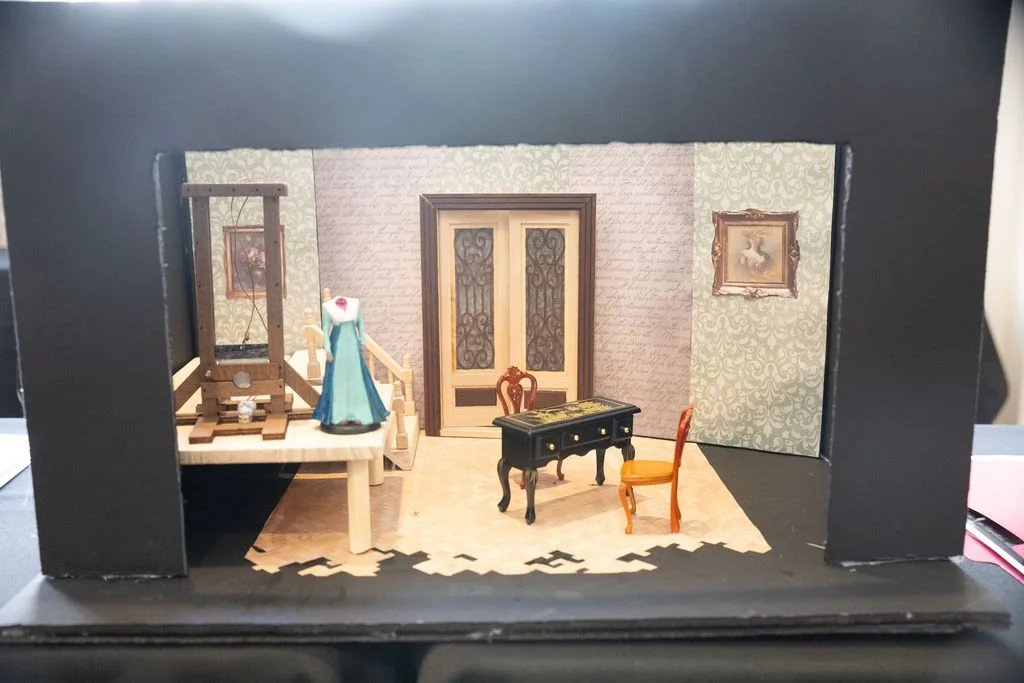
Theater Model Box: You must build and use the specific Proscenium stage model box parameters provided by VTA. Your model box must prominently display your name and school using a label or name tag.
Scale Requirements: The design must be constructed strictly in 1/2 inch = 1 foot scale. You must include at least one scale human figure (representing a 6-foot-tall person, which equals 3 inches in scale) on the set for perspective.
Design Parameters: The design must be a unit set—a single structural set that functions for every scene in the play with only minimal adjustments to additional set pieces or dressing. The model must support the scenic needs of the entire script.
Color & Texture: The completed model should be a full-color, accurate representation of the final scenery, with careful attention paid to realistic textures and paint choices.
Research Images: Provide at least 4 research images—2 regarding time/place and 2 that inspired your design concept. Each image must be labeled.
Designer's Statement: Submit a typed statement (maximum of one page) explaining your artistic choices and project goals, referencing each research image by its label.
Originality: Submissions must be original designs that have not been previously executed or plagiarized.
Display & Submission Specifics
Binder or Folder: Your printed designer's statement and labeled research images must be presented in a folder or binder labeled with your name, to be placed next to your scale model.
Judging & Critiques: Criteria include the model box construction, scale accuracy, design concept, functionality, script support, originality, and overall craftsmanship. A live critique and question-and-answer session will be held at the conference.
How to Register
Directors or students can add any of the Design Competitions to their cart during regular conference registration.
Crafts Design Competition
Master the Art of Stage Properties
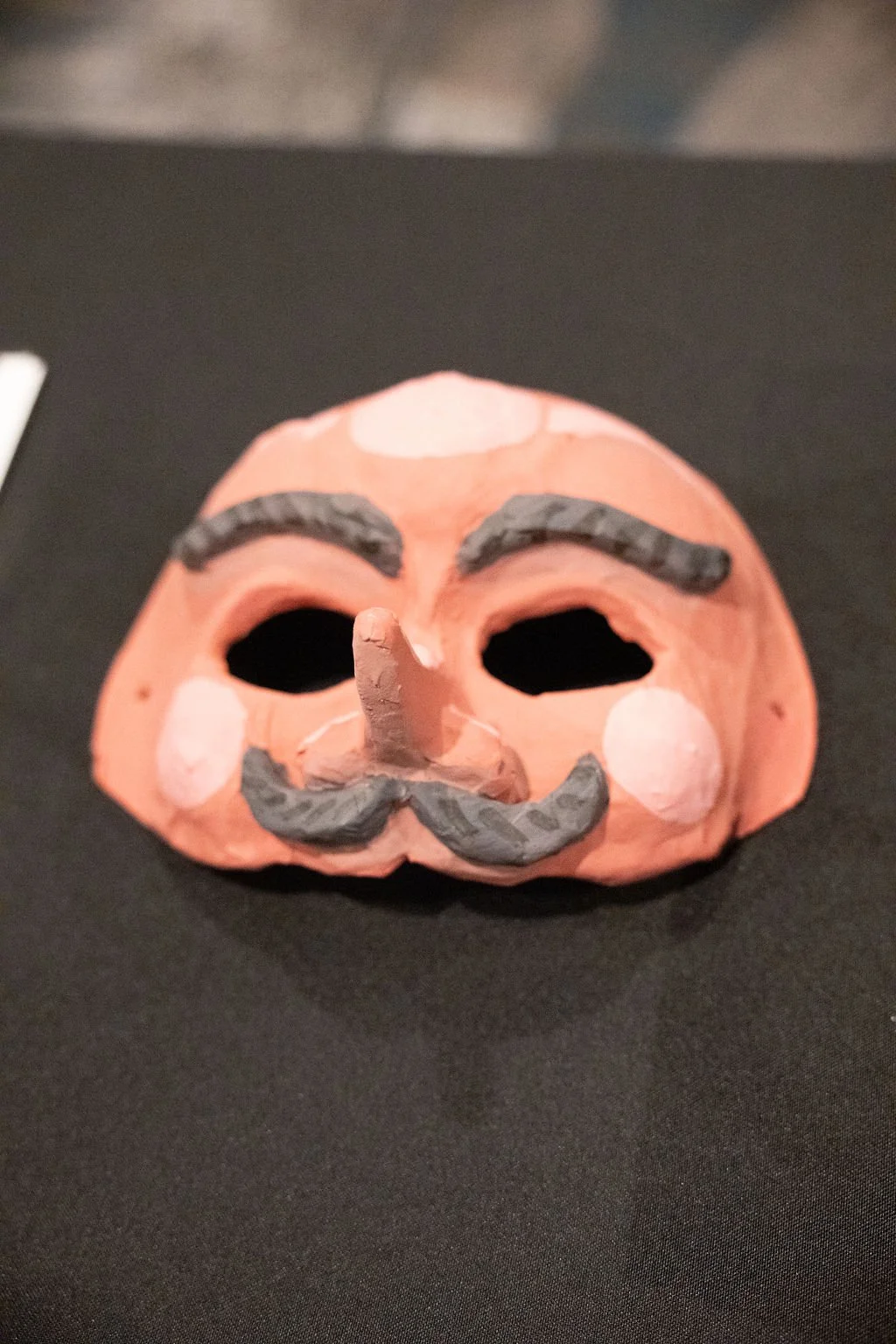
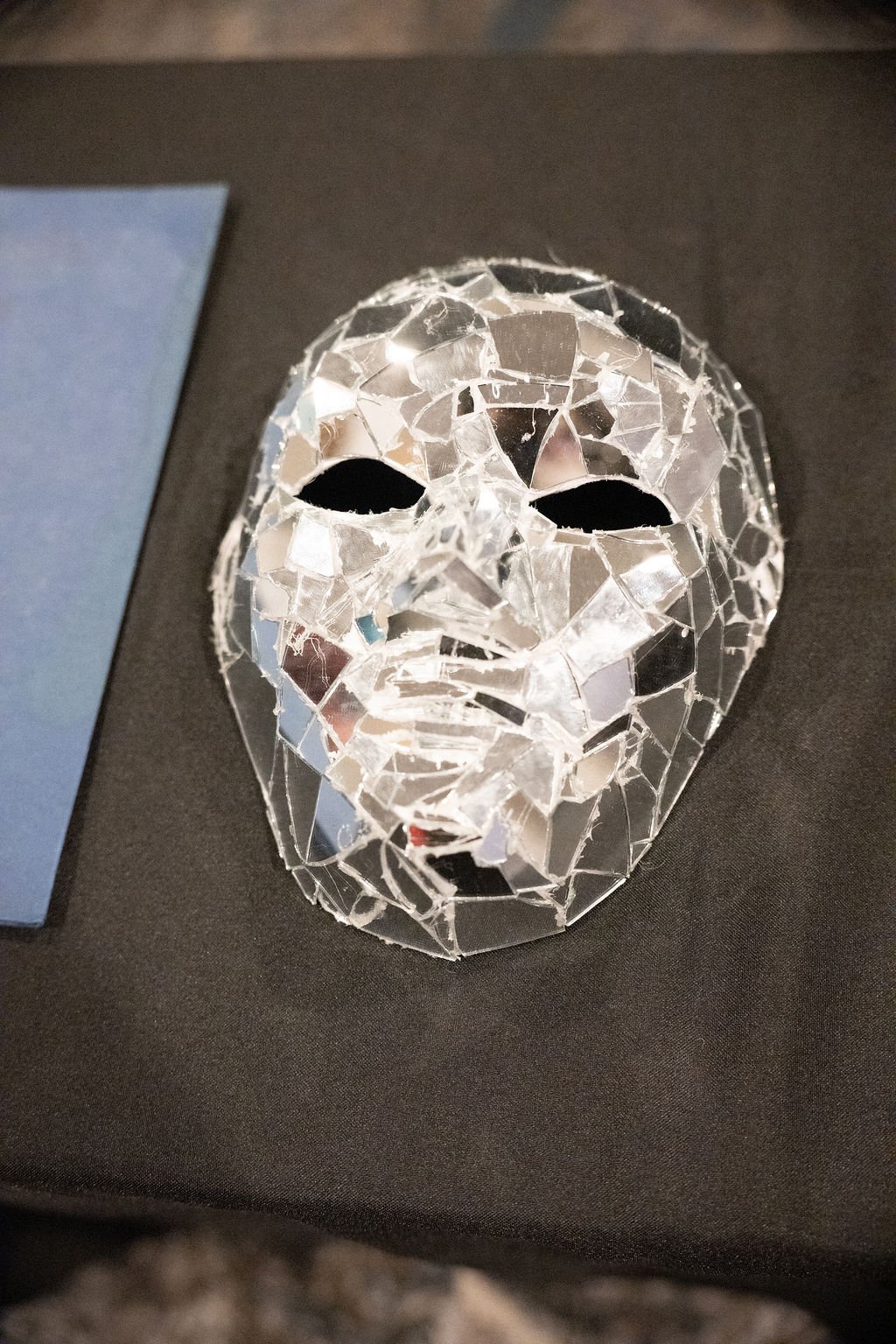
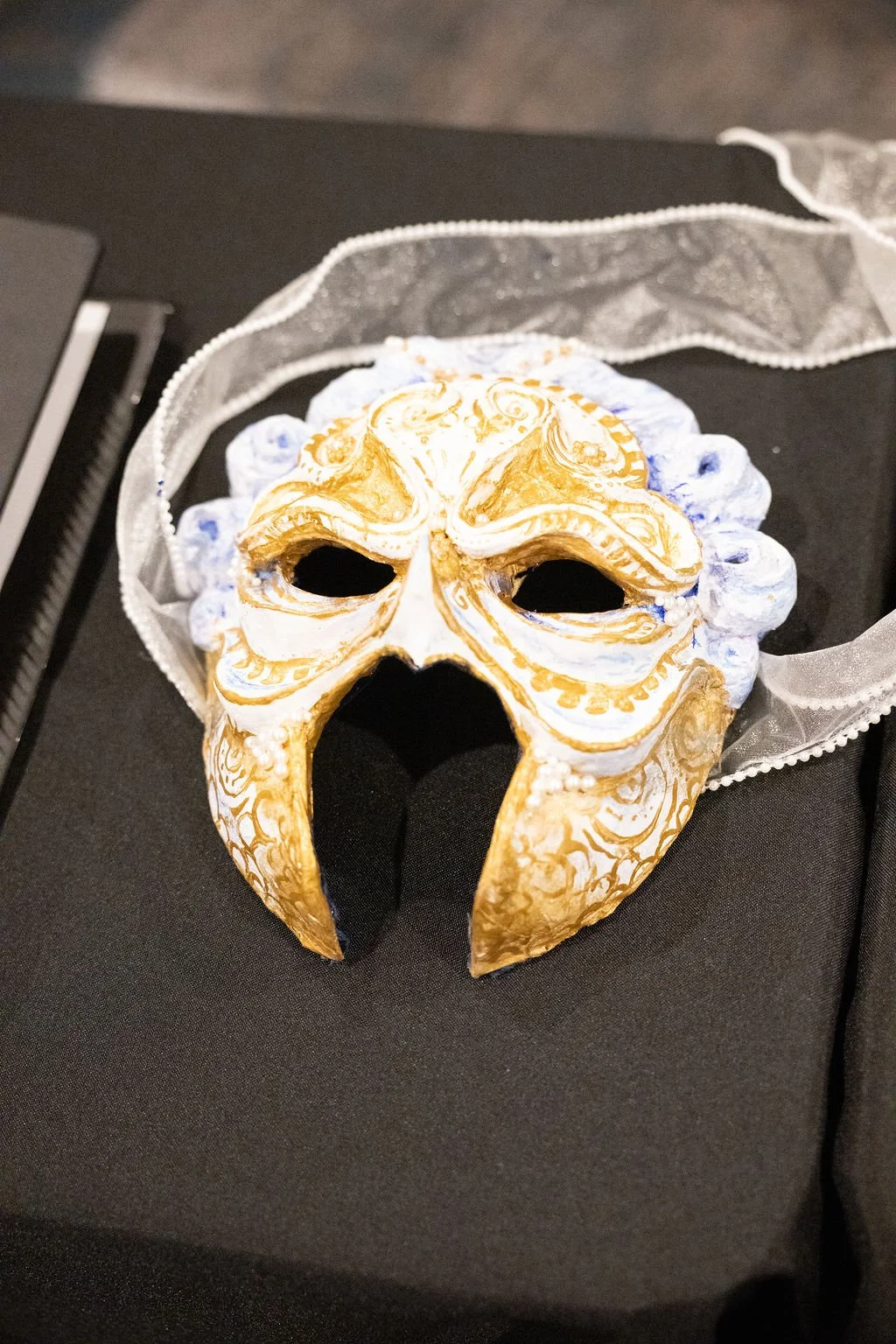
Bring theatrical objects to life! The Crafts Competition allows technical theater students to showcase their construction and fabrication skills by creating a fully realized, three-dimensional item called for directly by the script.
The Play: A Midsummer Night's Dream by William Shakespeare.
Prizes: Winners will be announced at the VTA Awards Ceremony.
Cost: $20 entry fee.
Eligibility: Open to registered conference students who complete the online design competition entry form.
Design Guidelines
Design Parameters: Design and create a fully realized prop, costume prop, or craft called for within the script (such as a hand prop, set dressing, a hat, or a unique accessory). The item can be an imagined original design or a historically accurate recreation, but it must directly support the action of the play.
Full-Scale Execution: The completed craft must be created in full scale, be fully functional, and completely finished with all realistic colors and textures accounted for.
Research Images: Provide at least 4 research images—2 establishing the historical time/place and 2 that inspired your fabrication choices. Each image must be labeled.
Designer's Statement: Submit a typed statement (maximum of one page) explaining your goals and choices, referencing your research images by label. If your craft is a historical recreation, discuss how you achieved or intentionally deviated from strict accuracy.
Originality: Submissions must be original creations. You may not use or pass off another artist's work as your own. Including process images showing your steps of construction is highly encouraged.
Display & Submission Specifics
Binder or Folder: Your printed designer's statement and research images must be presented in a folder or binder labeled with your name, to be set next to your craft at your display table.
Judging & Critiques: Submissions are evaluated by professionals and academics on uniqueness, design parameters, functionality, design concept, script support, originality, and overall craftsmanship. Performers and designers are welcome to observe or participate in the live critique session at the conference.
How to Register
Directors or students can add any of the Design Competitions to their cart during regular conference registration.
2026 Virginia Theatre Association Contest AI Statement
The Virginia Theatre Association (VTA) recognizes that artificial intelligence (AI) tools are becoming a common part of research and learning. Students may use AI to assist with research, outlining, fact-checking, and similar preparatory work. However, all submitted creative work in VTA competitions must represent the student's own original artistic thinking, writing, design, and production. AI-generated content may not be submitted as a final creative product, nor may AI replace the student's creative contribution. Scripts written by AI cannot be used in any performance festival, nor may they be submitted to the playwriting competition.
From first draft to final product, work submitted must be student work, not the work of generative AI.
The intent of this policy is to encourage responsible use of emerging technologies while ensuring that VTA contests continue to celebrate human creativity, craftsmanship, artistic expression, and respect for original works.